RO 50 Fine for Delaying Workers’ Salaries in Oman
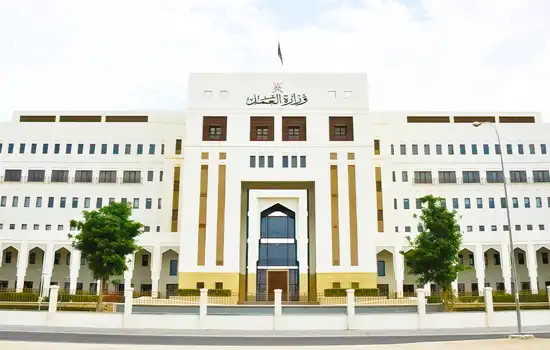
The Ministry of Labour has announced that employers who fail to pay their workers’ salaries on time will soon face penalties. According to a member of the Wage Protection System (WPS) team, employers will be fined RO 50 per worker for violating the system’s regulations.
Protecting Workers’ Rights and Ensuring Transparency
Saif bin Salem al Zaabi, a member of the WPS team, stated that the system was introduced in response to delayed salary payments in the private sector. He said: “Our aim with this system is to guarantee workers’ rights and enhance transparency in the labour market.”
He added: “The next phase will witness the enforcement of penalties for companies violating the system, with fines of RO 50 imposed per worker for delayed salary payments.”
Numerous Complaints About Salary Delays
Al Zaabi mentioned that the Ministry of Labour has received several complaints regarding delayed salaries. He cited examples, including an Omani employee who has not been paid for over a year and an expatriate who hasn’t received their salary for more than two years, highlighting the importance of government intervention to protect workers’ rights.
Public Support for the New Measures
Citizens have welcomed the move against companies that delay salaries. Salem al Harthy, a private sector employee, said: “Salary delays affect our daily lives. WPS is an important step to secure our rights and maintain financial stability. I know cases where employees were denied salaries for months. This decision gives us hope that violators will be held accountable.”
Views from Workers and Experts
Expatriate workers echoed similar sentiments, stressing that wage protection ensures job security. Mohammed Khan, an Indian worker, said: “I experienced a delay in salary for over three months. Now, with the WPS, I feel confident my rights will be protected, and I can focus on my job.”
Maryam al Balushi, an HR expert, commented: “The WPS reflects the government’s commitment to improving the work environment and safeguarding workers’ rights. It will strengthen trust between all stakeholders, leading to higher productivity and stability in the labour market.”
Boosting Investment Climate
These measures come as Oman seeks to improve its business climate and attract foreign investments. Dr Abdullah al Khadouri, an economic affairs expert, said: “Ensuring transparency and protecting workers’ rights enhances Oman’s investment climate. A stable and fair work environment attracts investments and contributes to economic growth.”
Challenges for Companies
However, some companies have raised concerns about the challenges of implementing the WPS. Khalid al Maamari, director of an SME, said: “We support the idea of wage protection, but we need time to align our internal systems with the new requirements. We hope the ministry provides the necessary support to small companies to ensure compliance.”
Source:
This information was extracted from the following source. For more details, please visit the link below: