Omani Parliament Approves Key Bills on Property E-Registration and Arbitration Reform
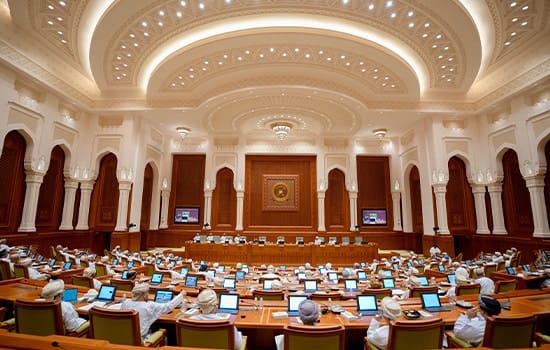
Muscat – May 21, 2025, Oman’s Shura Council has approved two significant legal bills aimed at modernizing the real estate and legal arbitration sectors. The legislation has been forwarded to the State Council for final review.
The first bill establishes a fully digital property registration system aimed at streamlining ownership processes, enhancing transactional transparency, and accelerating procedures. The law consists of 40 articles across five chapters and emphasizes the use of electronic title deeds, digital registration services, and legal safeguards for property transactions. Officials say this law will also improve Oman’s real estate attractiveness for both local and foreign investors.
The second bill focuses on amending Oman’s arbitration framework in civil and commercial disputes, with the goal of enhancing procedural speed and efficiency. Council members emphasized that the reforms will align Oman’s arbitration system with global best practices, supporting efforts to attract international investors.
In the same session, lawmakers voiced concerns over a recent Ministry of Labour directive requiring small businesses to hire at least one Omani citizen within 30 days. The move was criticized as lacking prior consultation and potentially straining small enterprises.
A separate report highlighted the underperformance of some state-owned food security companies, citing bureaucratic delays, weak governance, and inefficient planning as core issues.
Additionally, the Council approved an air transport agreement with Kyrgyzstan, aimed at boosting bilateral aviation, trade, and tourism.
Other proposed laws, including the National Geospatial Data Law, the Unified Industrial Regulation for GCC, and the Sports Federations Law, were also referred to the Council for upcoming sessions.
The next parliamentary meeting is scheduled to debate the draft Law on Civil Society Organizations.
The Council of Oman consists of two chambers: the Shura Council (Majlis al-Shura), whose members are elected by the public, and the State Council (Majlis al-Dawla), whose members are appointed by His Majesty the Sultan. Both chambers play a role in the legislative process, with laws requiring approval by both bodies before final ratification.
Source:
Shura approves Property Registration Law and issues urgent statement on citizen employment – Al Roya