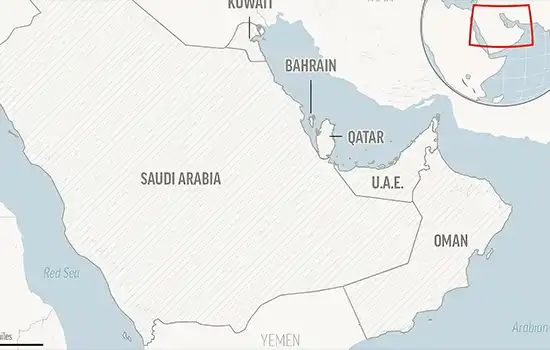
An Omani state-run oil and gas company has announced plans to launch an initial public offering (IPO) of its exploration and production unit. This move is considered a significant step toward privatization in the sultanate, with the potential to raise billions of dollars.
Following the Path of Major Regional Oil Giants
OQ, formerly known as Oman Oil Co., is following the example set by other major regional oil companies such as Saudi Aramco and Abu Dhabi National Oil Co. (ADNOC) in raising capital through the stock market. This IPO is also expected to breathe new life into the Muscat Stock Exchange, often regarded as one of the less active markets among the Gulf Arab states.
Details of the IPO
According to the announcement, OQ will offer up to 25% of its exploration and production unit shares. While no official valuation has been provided, sources familiar with the matter told Bloomberg that the company’s total value is estimated at around $8 billion, making the 25% stake worth approximately $2 billion.
Statement from OQ’s CEO
Ashraf Hamed Al Mamari, CEO of OQ, said in a statement: “The intention to float OQ Exploration and Production reflects our commitment to unlocking new growth opportunities, both for the company and for the Sultanate of Oman.“
Timeline and Dividend Plans
The IPO is scheduled to take place in October, pending regulatory approvals. OQ has also announced plans to distribute $150 million in dividends for the first two quarters following the IPO, with a planned annual dividend of $600 million, plus performance-linked dividends.
History and Position of OQ
OQ, established in 2009, is the third-largest oil company in Oman, following Petroleum Development Oman (PDO) and Occidental Petroleum, a U.S.-based firm.
The Role of Oil in Oman
Oman, located on the eastern edge of the Arabian Peninsula, is a member of the OPEC+ coalition, though not an official member of OPEC. The country produces around 1 million barrels of oil per day, with China remaining its largest crude oil customer.
The Legacy of Sultan Qaboos bin Said
Late Sultan Qaboos bin Said of Oman used oil revenues to modernize the country. When he assumed power in 1970, Oman had only three schools and strict laws banning electricity, radios, eyeglasses, and even umbrellas. He passed away in January 2020, and his successor, Sultan Haitham bin Tariq, has worked to strengthen the nation’s financial position while maintaining Oman’s role as a key mediator between Iran and the West.
source: Oman’s State-Run Oil Firm Announces IPO: A Major Step Toward Privatization (go.com)
-

-
-
-